
Running out of space is one of the most common challenges homeowners face in the UK. A spare room becomes an office, children need their own bedrooms, and storage slowly takes over living spaces. Before long, the home that once felt roomy begins to feel cramped. Faced with this situation, many homeowners wonder: should I move or improve my current home?
While moving may seem like a simple solution, it comes with significant costs—stamp duty, legal fees, estate agent fees, removals, and the stress of adjusting to a new neighbourhood. This is why more homeowners are opting to enhance their existing properties instead. Two of the most popular options are loft conversions and home extensions. Both provide additional space and can significantly increase the value of a property, but they approach the problem very differently.
Choosing between a loft conversion and a home extension involves considering factors beyond cost. It requires examining your property’s layout, your lifestyle needs, your budget, and the long-term benefits of each option. In this guide, we’ll break down everything you need to know—from costs and space efficiency to planning permission, disruption, and value added—so you can make an informed decision.
Understanding the Options
Before diving into costs and practicalities, it’s important to understand exactly what each option entails and how it changes your home.
What Is a Loft Conversion?
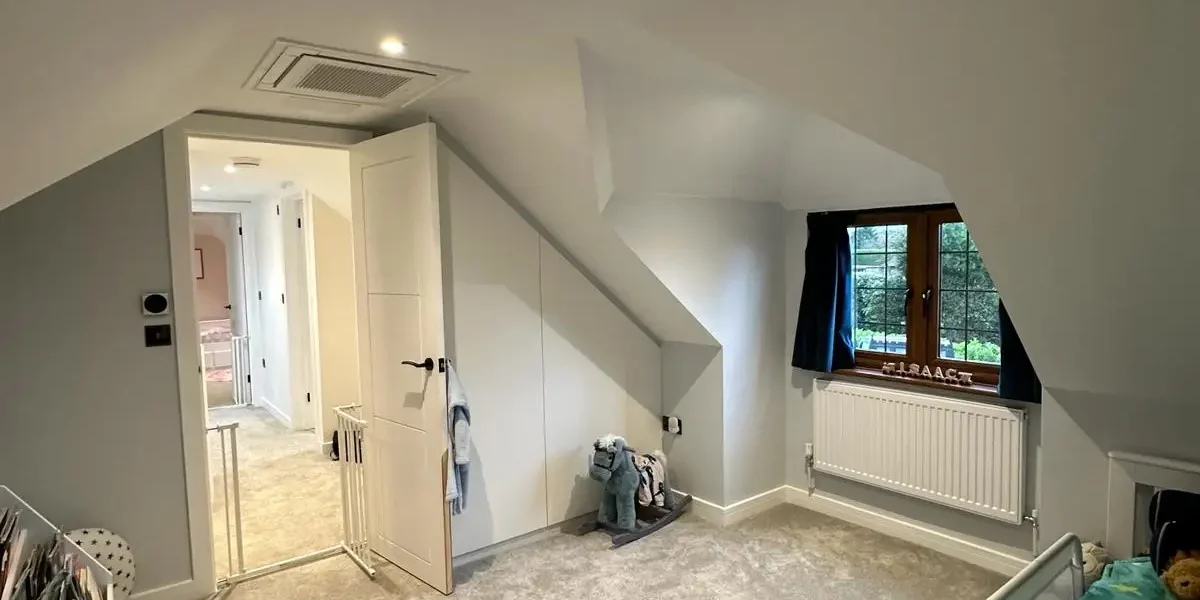
A loft conversion transforms underutilized attic space into a fully functional living area. Many UK homes have lofts that are little more than storage spaces, but with the right design, this area can become a bedroom, office, guest suite, or even a private lounge.
Converting a loft typically involves:
- Reinforcing the floor to support the new room
- Adding a staircase for access
- Installing insulation and ventilation
- Introducing natural light through roof windows or dormers
There are several types of loft conversions:
Velux (rooflight) conversions involve fitting roof windows and are usually the most cost-effective option. They require minimal changes to the roof structure and are ideal for smaller spaces.
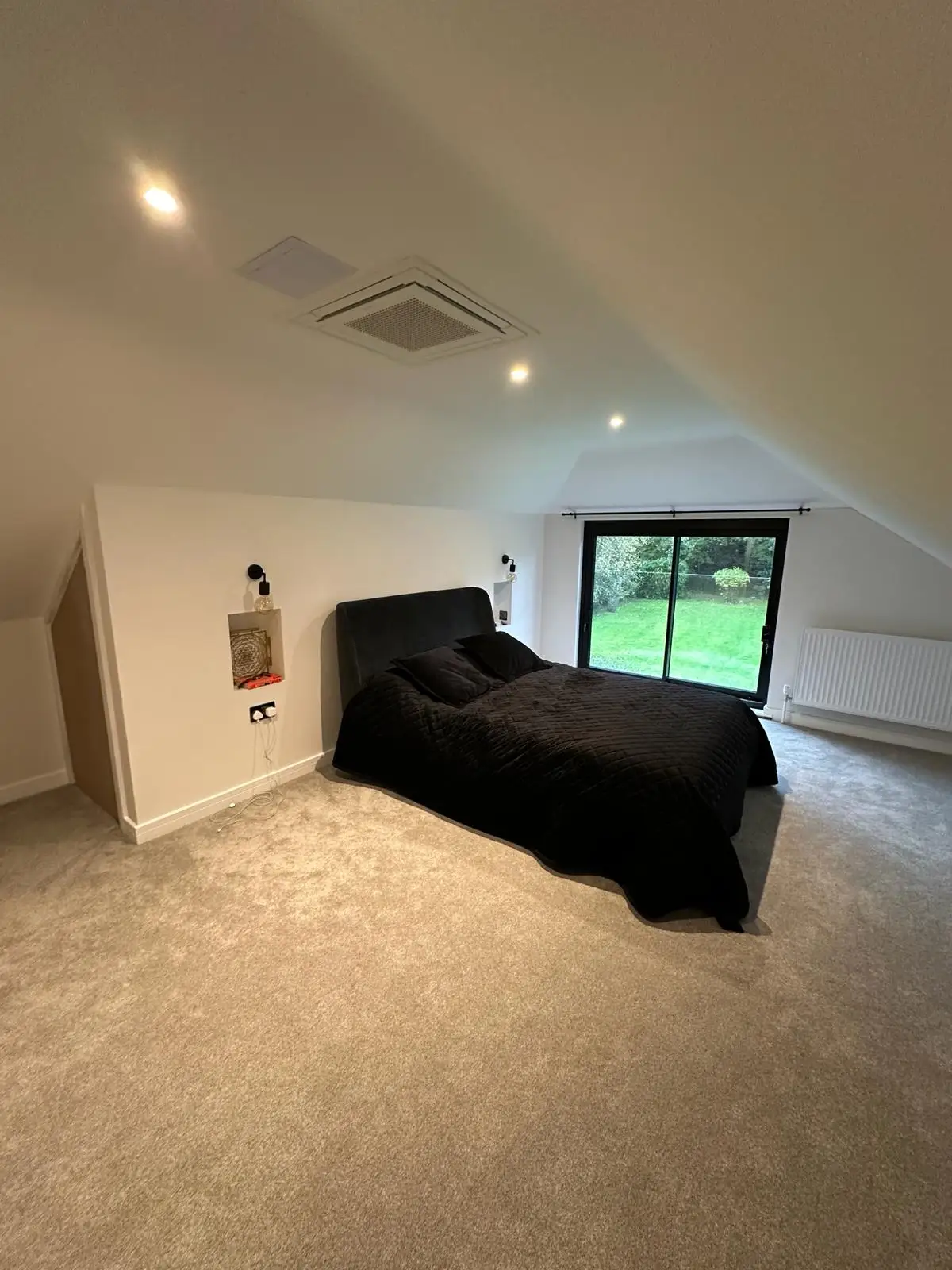
Dormer conversions extend the roof outward, creating additional headroom and floor space. They are one of the most common conversions in semi-detached or terraced homes.
Hip-to-gable conversions reshape the roof to maximize usable space, often adding significant headroom and square footage, particularly for semi-detached properties.
Mansard conversions are a premium option that involve redesigning the roof entirely, providing the maximum amount of space and flexibility but also the highest cost.
Loft conversions are often faster to complete than extensions and cause less disruption to daily life. However, the available space may be limited by the roof pitch and sloping ceilings, making them ideal for bedrooms, offices, or other private areas rather than large open-plan living spaces.
What Is a Home Extension?
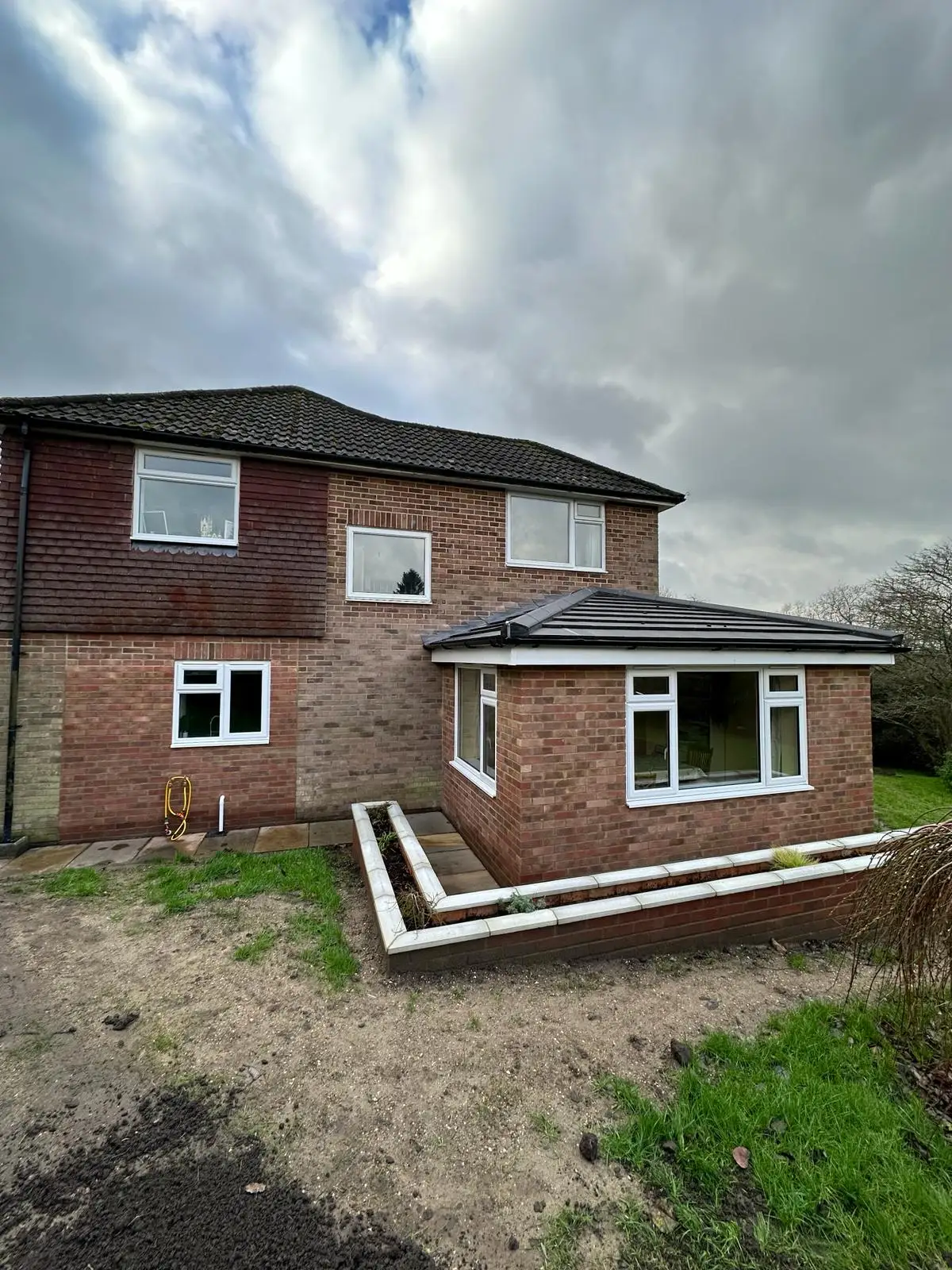
A home extension involves enlarging the footprint of your property by building outward. Unlike loft conversions, extensions add space at ground or first-floor level, reshaping the home’s layout and improving its overall functionality.
Extensions can serve multiple purposes:
-
Larger kitchens or dining areas: Expanding these spaces allows for more storage, better appliances, and comfortable family meals, while also creating an inviting area for entertaining guests.
-
Open-plan living spaces: Combining kitchen, dining, and lounge areas creates a brighter, more spacious environment, improves natural light, and encourages family interaction.
-
Additional bedrooms or bathrooms: Extra rooms provide private spaces for children, guests, or home offices, while additional bathrooms reduce daily congestion and add long-term value.
-
Multi-functional family spaces: Flexible rooms can adapt to changing needs, such as a study that doubles as a playroom or a lounge that can serve as a guest bedroom, maximizing the home’s usability.
Different types of extensions include:
Rear extensions are the most common, providing more living space at the back of the property, often improving garden access.
Side extensions increase the width of the house and can be used to add extra rooms, corridors, or utility areas.
Wraparound extensions combine rear and side extensions to create substantial space and often significantly improve the property’s layout.
Double-storey extensions add an extra floor, making them ideal for growing families who need more bedrooms or bathrooms without moving.
Extensions are more complex projects than loft conversions, often requiring groundwork, foundations, drainage work, and external construction. However, they provide versatile, spacious, and highly functional areas that can significantly enhance daily living.
Cost Comparison
Budget is often the primary consideration for homeowners, but it’s important to understand that cost is only part of the story. Both loft conversions and extensions vary in price depending on size, design, materials, and structural requirements.
Loft Conversions Cost UK
Loft conversions generally cost less than extensions, particularly when no major structural alterations are required. Because they make use of existing space and structure, they are cost-efficient and often quicker to complete.
Typical loft conversion costs in the UK:
- Velux loft conversion: £25,000 – £35,000
- Dormer loft conversion: £40,000 – £55,000
- Hip-to-gable conversion: £45,000 – £60,000
- Mansard conversion: £55,000 – £70,000+
The final cost depends on roof structure, stair design, insulation, plumbing, electrical work, and interior finishes. High-end en-suite bathrooms or bespoke storage solutions can add significantly to the total.
Because the work largely involves the interior of the house, loft conversions are less disruptive and often offer better value per square metre than extensions.
Home Extensions Cost
Home extensions tend to be more expensive due to the additional construction and groundwork required.
- Single-storey extensions: £1,800 – £2,500 per m²
- Double-storey extensions: £2,200 – £2,800 per m²
Even a modest extension can easily cost £50,000 or more, while large or bespoke projects can exceed £100,000. Costs are influenced by factors such as ground conditions, drainage, roof design, windows, doors, and finishing materials. Labour costs are typically higher due to the extended build time and the complexity of structural work.
Despite the higher upfront cost, extensions often provide more usable space and greater flexibility, which can make them a worthwhile investment in the long term.
Space and Functionality
The space gained is often the most important factor when deciding between a loft conversion and a home extension. While both solutions increase your property’s size, the way the space is used differs significantly.
Loft Conversion Space
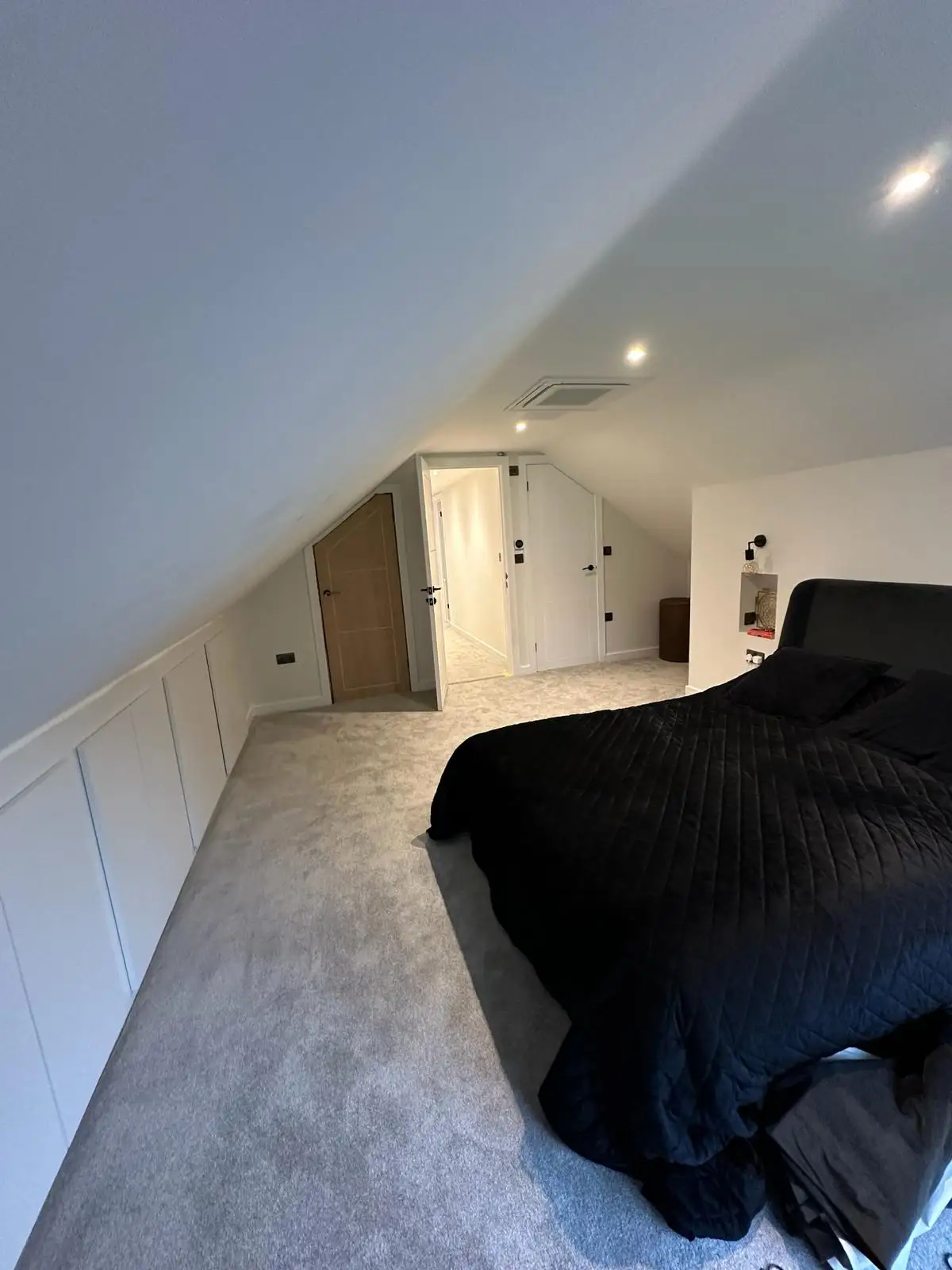
Loft conversions are perfect for creating private, quiet spaces. Bedrooms, offices, or hobby rooms benefit from being tucked away from the main living areas. However, sloping ceilings and restricted head height near the eaves can reduce usable space. The staircase also consumes some of the floor area below.
Despite these limitations, clever design — particularly with dormer or mansard conversions — can create comfortable, highly functional rooms that feel spacious. Loft conversions are particularly suited to adding additional bedrooms or home offices in homes that cannot be extended outward.
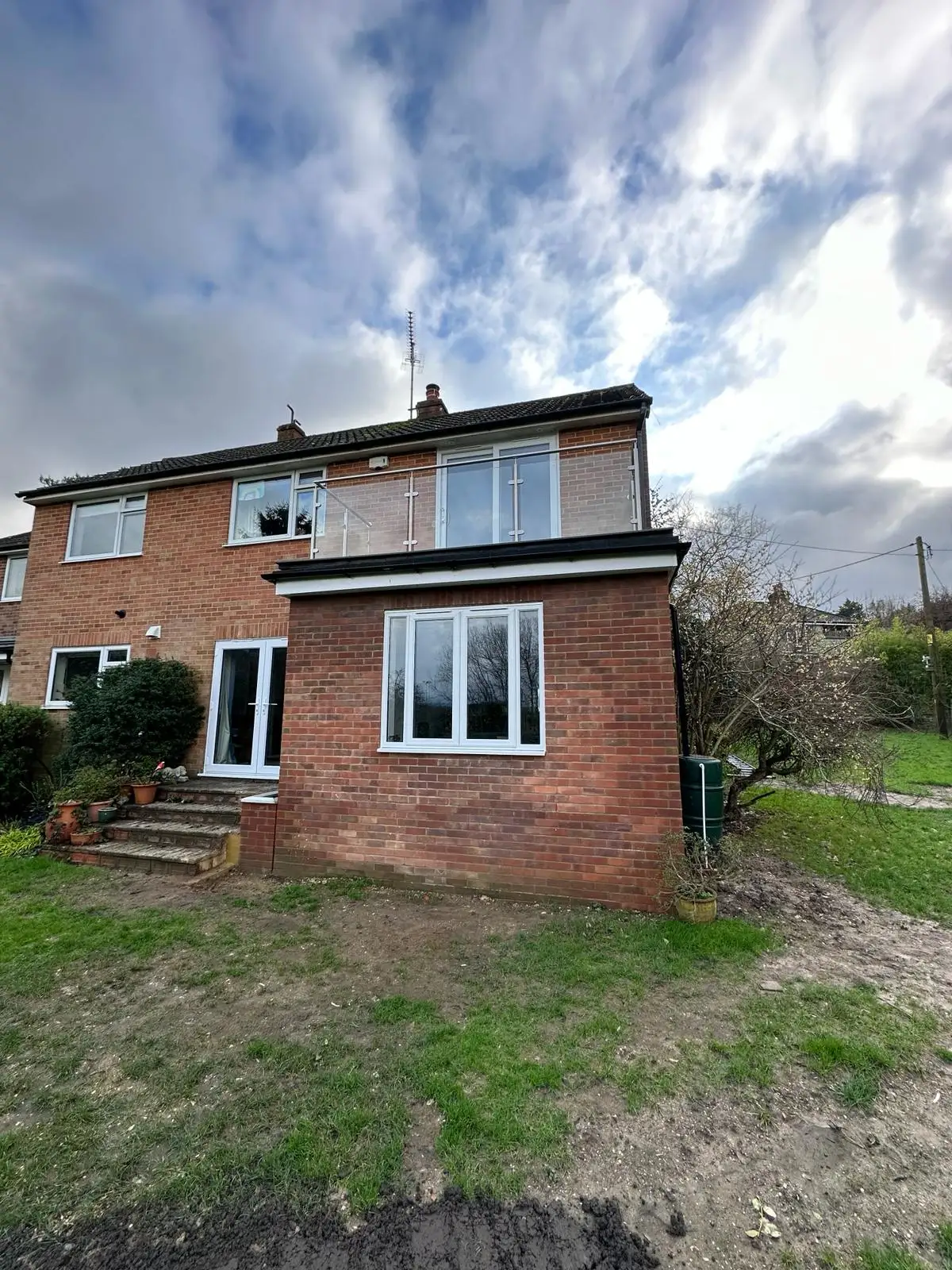
Home Extension Space
Home extensions typically deliver larger, more versatile spaces. Because they increase the footprint of the property, they can accommodate open-plan living areas, larger kitchens, family rooms, or multi-functional spaces. Extensions also provide consistent ceiling height and larger windows, which enhances natural light and creates a more open, airy feel.
Extensions can improve the flow of your home, making daily life more comfortable. For families, they can transform the property into a more functional and enjoyable living environment, creating areas that are central to family life, entertaining, and everyday activities.
Planning Permission and Regulations
Both loft conversions and home extensions are subject to planning regulations, which can influence costs, timelines, and the scope of the project.
Loft Conversion Planning
Many loft conversions fall under permitted development, which means that a full planning application may not be required if certain conditions are met. Building regulations approval, however, is always necessary. These regulations cover structural safety, fire protection, insulation, ventilation, and staircase design. Lofts in conservation areas or flats may require additional planning permissions.
Home Extension Planning
Home extensions are more likely to require full planning permission, particularly if they exceed size limits, impact neighbouring properties, or are in conservation areas. Applications can take several weeks or months and may require design adjustments if objections are raised. Full compliance with building regulations is also mandatory, covering foundations, structural integrity, fire safety, insulation, and energy efficiency.
Disruption During Construction
The level of disruption during the build is another important consideration for homeowners.
Loft Conversion Disruption
Loft conversions are generally less disruptive because most of the work takes place above living areas. Kitchens and bathrooms usually remain usable, and the rest of the house can often continue functioning normally. Noise and dust are inevitable, but the impact on daily life is limited. Typical build times range from 6–10 weeks.
Home Extension Disruption
Extensions tend to be more invasive, particularly when foundations and structural work are involved. Access to gardens and certain rooms may be restricted, and temporary relocation of kitchens or living areas may be necessary. Noise, dust, and loss of privacy are more significant, and build times can range from 10–20 weeks or longer depending on the complexity.
Property Value
Both loft conversions and home extensions can add considerable value to a property, but the impact varies.
Loft Conversion Value
A well-designed loft conversion can add approximately 15–20% to a property’s value, especially when it provides an extra bedroom or en-suite. They are particularly appealing in urban areas where moving to a larger property is expensive.
Home Extension Value
Extensions often deliver a higher perceived value because they improve layout, living space, and usability. However, reducing garden space or overextending can affect market appeal. When carefully designed, a home extension can provide excellent long-term returns and significantly enhance a property’s comfort and practicality.
Lifestyle Considerations
The right choice depends on your lifestyle and how you plan to use the additional space.
Loft conversions are ideal if you need extra bedrooms, an office, or private areas, prefer less disruption, and want a cost-effective solution that can be completed relatively quickly.
Home extensions are better suited for those seeking larger communal areas, open-plan layouts, and more versatile spaces that will transform the way the home functions for daily life. They are ideal for families who plan to remain in the property long-term.
Energy Efficiency
Both loft conversions and home extensions offer opportunities to improve energy efficiency. Proper insulation, double glazing, and modern heating systems can reduce energy bills and improve comfort. Extensions often provide the chance to incorporate underfloor heating, large windows, and open-plan designs that enhance natural ventilation.
Making the Decision
Deciding between a loft conversion and a home extension requires a balance of budget, lifestyle needs, property suitability, and long-term goals. A loft conversion may be more cost-effective and quicker to complete, but an extension provides greater flexibility and usable space. Consulting an experienced builder early can help identify the most practical solution and prevent costly mistakes.
Both loft conversions and home extensions can transform a home, providing additional space, improving functionality, and increasing property value. Loft conversions are typically more affordable, less disruptive, and ideal for private rooms. Home extensions, while more expensive and disruptive, offer versatile, functional spaces that enhance everyday living.
Ultimately, the best choice depends on your home, budget, and lifestyle. Careful planning, professional advice, and a clear understanding of your needs will ensure that your investment delivers the space, comfort, and value you’re looking for.
Ready to get started?
Contact our team to discover how we can help you.