
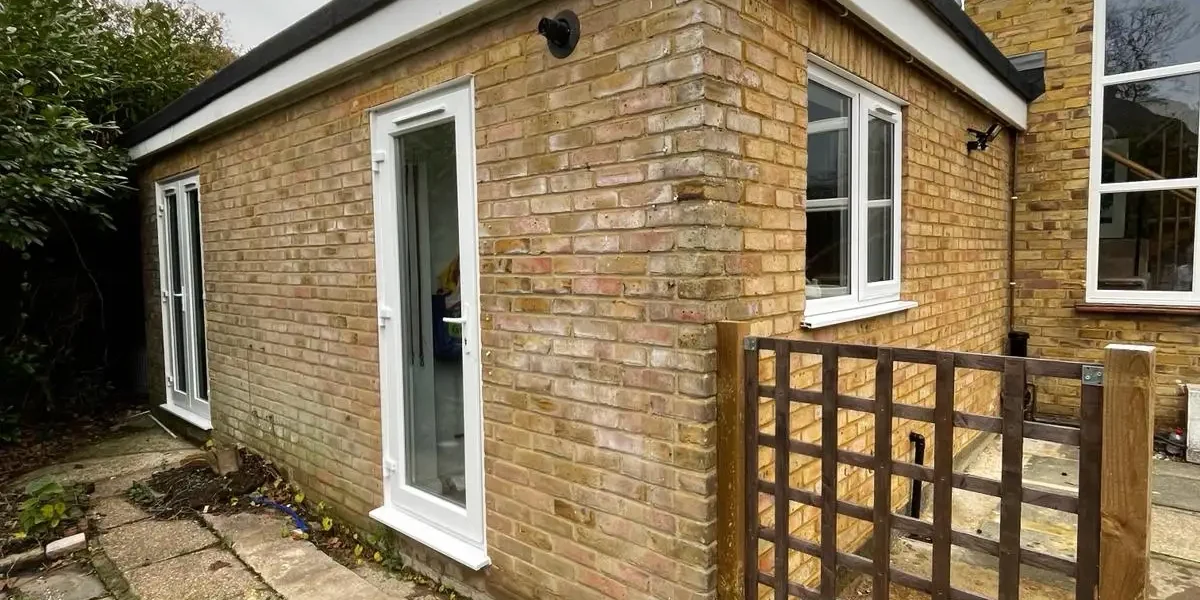
Running out of space is one of the biggest reasons homeowners start considering an extension. Whether your family is growing, you need a larger kitchen, or you're looking to create additional bedrooms, extending your home can be a more practical alternative to moving.
One of the first decisions you'll face is whether to choose a single-storey extension or a double-storey extension. Both options provide extra living space, but they differ significantly in terms of cost, planning requirements, construction time, and the amount of value they add to your property.
If you're wondering which type of home extension is right for your property, this guide explains the key differences, benefits, and considerations to help you make an informed decision.
Why More Homeowners Are Choosing House Extensions
With rising property prices and moving costs, many homeowners are deciding to improve their existing homes rather than relocate. A well-designed house extension allows you to create the additional space you need while staying in the neighbourhood you already love.
House extensions are particularly popular because they can:
- Increase living space.
- Improve functionality.
- Enhance property value.
- Avoid the expense and stress of moving house.
- Adapt a property to changing family needs.
However, not every extension is the same. Understanding the difference between a single-storey and double-storey extension will help ensure you choose the right solution for both your lifestyle and budget.
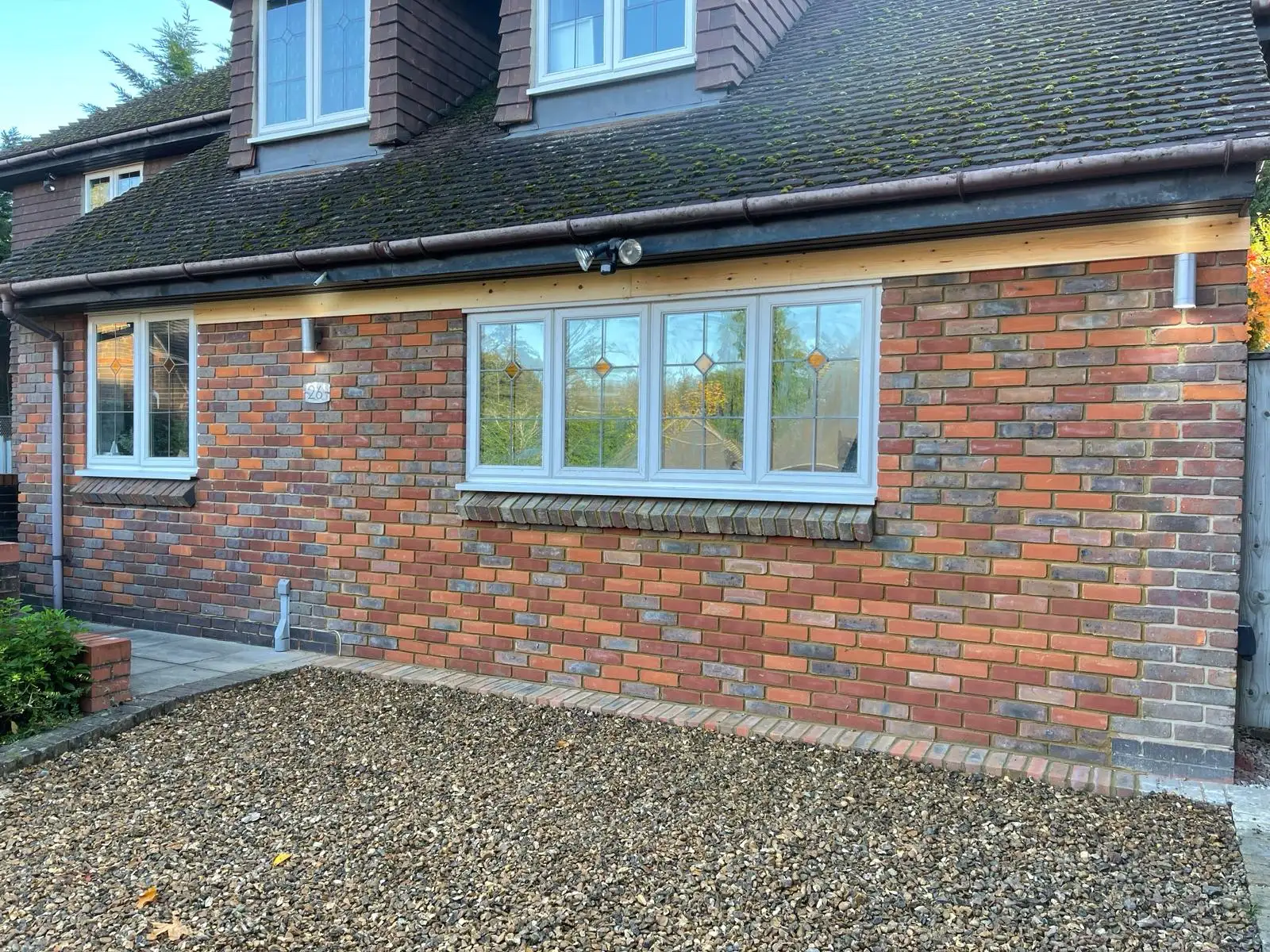
What Is a Single-Storey Extension?
A single-storey extension adds space on one level only, usually at the rear, side, or wraparound section of a property. These extensions are commonly used to enlarge kitchens, create open-plan living areas, add utility rooms, or build home offices.
Single-storey extensions have become increasingly popular as homeowners embrace modern, open-plan layouts that maximise natural light and create a better connection between indoor and outdoor spaces.
Because the work only affects one level, construction is generally simpler and less disruptive than larger projects.
What Is a Double-Storey Extension?
A double-storey extension increases the footprint of your home across two floors. This means you gain extra living space downstairs while simultaneously creating additional rooms upstairs.
Many families use double-storey extensions to enlarge kitchens and living areas on the ground floor while adding bedrooms, en suites, or home offices on the first floor.
Although a double-storey extension costs more overall, the additional square footage often makes it a more cost-effective solution when considering the price per square metre.
Single-Storey vs Double-Storey Extension: Space Gained
The most obvious difference between the two options is the amount of space they provide.
A single-storey extension is ideal if your primary goal is creating a larger kitchen, dining room, family room, or utility area. It transforms the way you use the ground floor without altering the upstairs layout.
However, if your home lacks bedrooms or bathrooms, a double-storey extension offers much greater flexibility. You effectively gain two new spaces for the cost of one set of foundations and one roof structure.
For growing families, this additional floor space can delay or completely eliminate the need to move house.
Cost Comparison
One of the most common questions homeowners ask is:
"How much does a house extension cost?"
While costs vary depending on size, design, materials, and location, single-storey extensions are generally cheaper in terms of total project cost.
However, double-storey extensions provide better value when measured by square metre.
A large portion of extension costs comes from foundations, roofing, excavation, and labour. Since a double-storey extension uses the same foundations and roof footprint while adding another level, the overall cost increase is proportionally smaller than many homeowners expect.
For example, adding two floors may cost around 50-70% more than a single-storey extension while providing almost double the usable space.
If maximum square footage is your goal, a double-storey extension often delivers greater long-term value.
Construction Time
Another important factor is planning permission.
Many single-storey extensions fall under Permitted Development rights, meaning planning permission may not be required. This makes the process quicker and simpler for many homeowners.
Double-storey extensions are subject to stricter regulations. Height restrictions, overlooking concerns, and distance from neighbouring properties often mean planning approval is required.
Some key considerations include:
- Overall height of the extension.
- Proximity to boundaries.
- Impact on neighbouring properties.
- Window placement.
- Conservation area restrictions.
An experienced building company can advise on planning requirements and ensure your extension complies with Building Regulations.
Planning Permission Considerations
Another important factor is planning permission.
Many single-storey extensions fall under Permitted Development rights, meaning planning permission may not be required. This makes the process quicker and simpler for many homeowners.
Double-storey extensions are subject to stricter regulations. Height restrictions, overlooking concerns, and distance from neighbouring properties often mean planning approval is required.
Some key considerations include:
- Overall height of the extension.
- Proximity to boundaries.
- Impact on neighbouring properties.
- Window placement.
- Conservation area restrictions.
An experienced building company can advise on planning requirements and ensure your extension complies with Building Regulations.
Which Extension Adds More Property Value?
Homeowners often ask which option provides the best return on investment.
The answer depends largely on your property and local housing market.
Single-storey extensions are excellent for improving everyday living and creating desirable open-plan spaces. A modern kitchen extension can make a home much more appealing to buyers.
Double-storey extensions often add greater overall value because they increase bedroom numbers and total floor area. Homes with additional bedrooms typically attract a wider range of buyers and command higher prices.
Properties with four bedrooms generally appeal to larger families and can achieve significantly higher values than comparable three-bedroom homes.
The key is ensuring the extension remains proportionate to neighbouring properties. Over-extending a house may limit your return on investment.
Advantages of Single-Storey Extensions
Single-storey extensions are often the preferred option when homeowners want to enhance their everyday living experience without undertaking a major structural project.
They are particularly suitable if:
- You want a larger kitchen.
- You prefer open-plan living.
- Your budget is more limited.
- Planning permission is a concern.
- You want a quicker construction process.
- You do not need additional bedrooms.
Rear kitchen extensions remain one of the most popular home improvement projects because they dramatically transform the heart of the home.
Advantages of Double-Storey Extensions
The Bottom Line
When comparing single-storey and double-storey house extensions, there is no universal answer.
Single-storey extensions are ideal for creating larger kitchens and modern living spaces while keeping costs and disruption lower. They suit homeowners who want to improve how they live without making significant changes upstairs.
Double-storey extensions provide substantially more space and often deliver better value per square metre. For growing families or homeowners looking to maximise property value, they can be an excellent long-term investment.
The right choice ultimately depends on your budget, available space, future plans, and how you want your home to work for you.
If you're considering extending your property, speaking with experienced builders early in the process can help you explore your options and create a design that adds both space and value for years to come.
Ready to get started?
Contact our team to discover how we can help you.