In this article11 sections
- Understanding What Home Conversion Really Means
- Why Adding Extra Bedrooms Is a Smart Investment
- Loft Conversions as a Leading Option for Extra Bedrooms
- Garage Conversions and Their Practical Benefits
- Home Extensions for Maximum Flexibility
- Internal Reconfiguration and Space Optimisation
- Planning Permission and Building Regulations
- The Importance of Design in Bedroom Conversions
- How Extra Bedrooms Increase Property Value
- Common Mistakes to Avoid in Home Conversion Projects
- Why Choose Godman Construction
Adding extra bedrooms to a home is one of the most powerful ways to improve both lifestyle comfort and property value without the need to move. As families grow and living needs change, many homeowners find that their current space no longer works for them. However, instead of going through the stress and cost of relocating, smart home conversion offers a practical alternative that unlocks the hidden potential within existing properties.
At Godman Construction, we specialise in transforming unused or underutilised areas into functional, beautifully designed bedrooms that not only improve day-to-day living but also significantly increase long-term property value. Whether it’s a loft conversion, garage transformation, or a full home reconfiguration, the goal is always the same, making your home work better for you.
This guide explores how extra bedrooms can be added through smart home conversion, what options are available, what to consider before starting, and how professional construction makes all the difference.
Understanding What Home Conversion Really Means
Home conversion is the process of taking existing space within a property and transforming it into something more useful and liveable. In the context of adding bedrooms, it means identifying areas of the home that are currently wasted, underused, or not living up to their potential, and redesigning them into comfortable sleeping spaces.
Unlike extensions, which add new physical space to a property, conversions typically work within the existing structure. This makes them a more efficient and often more cost-effective solution for homeowners who want additional bedrooms without dramatically altering the footprint of their home.
Common examples include converting loft spaces that are used only for storage, transforming garages that are rarely used for parking, or reconfiguring large internal rooms into more functional layouts. In some cases, a combination of structural changes and design improvements can completely reshape how a home is used.
Home conversion is not just about adding rooms, it is about improving how space flows, how it is used, and how it supports modern living needs.
Why Adding Extra Bedrooms Is a Smart Investment
One of the main reasons homeowners choose to add extra bedrooms is the significant impact it has on property value. In the UK housing market, the number of bedrooms is one of the most important factors influencing a home’s price. A property with more bedrooms is often seen as more versatile, more desirable, and more suitable for growing families or rental opportunities.
However, the benefits go beyond financial gain. Extra bedrooms also improve the way a home functions on a daily basis. Families gain more privacy, children have their own dedicated space, and guests can be accommodated more comfortably. In some cases, an additional bedroom can also double as a home office, nursery, or hobby room, making the home more adaptable to changing needs.
For many homeowners, adding a bedroom removes the need to move entirely. Moving house can involve significant costs, including estate agent fees, stamp duty, legal expenses, and the emotional strain of leaving a familiar environment. Home conversion offers a way to avoid all of that while still achieving the extra space required.
Loft Conversions as a Leading Option for Extra Bedrooms
One of the most popular methods of adding extra bedrooms is through loft conversion. Many homes have attic spaces that are rarely used beyond basic storage, yet these areas often have strong potential for transformation.
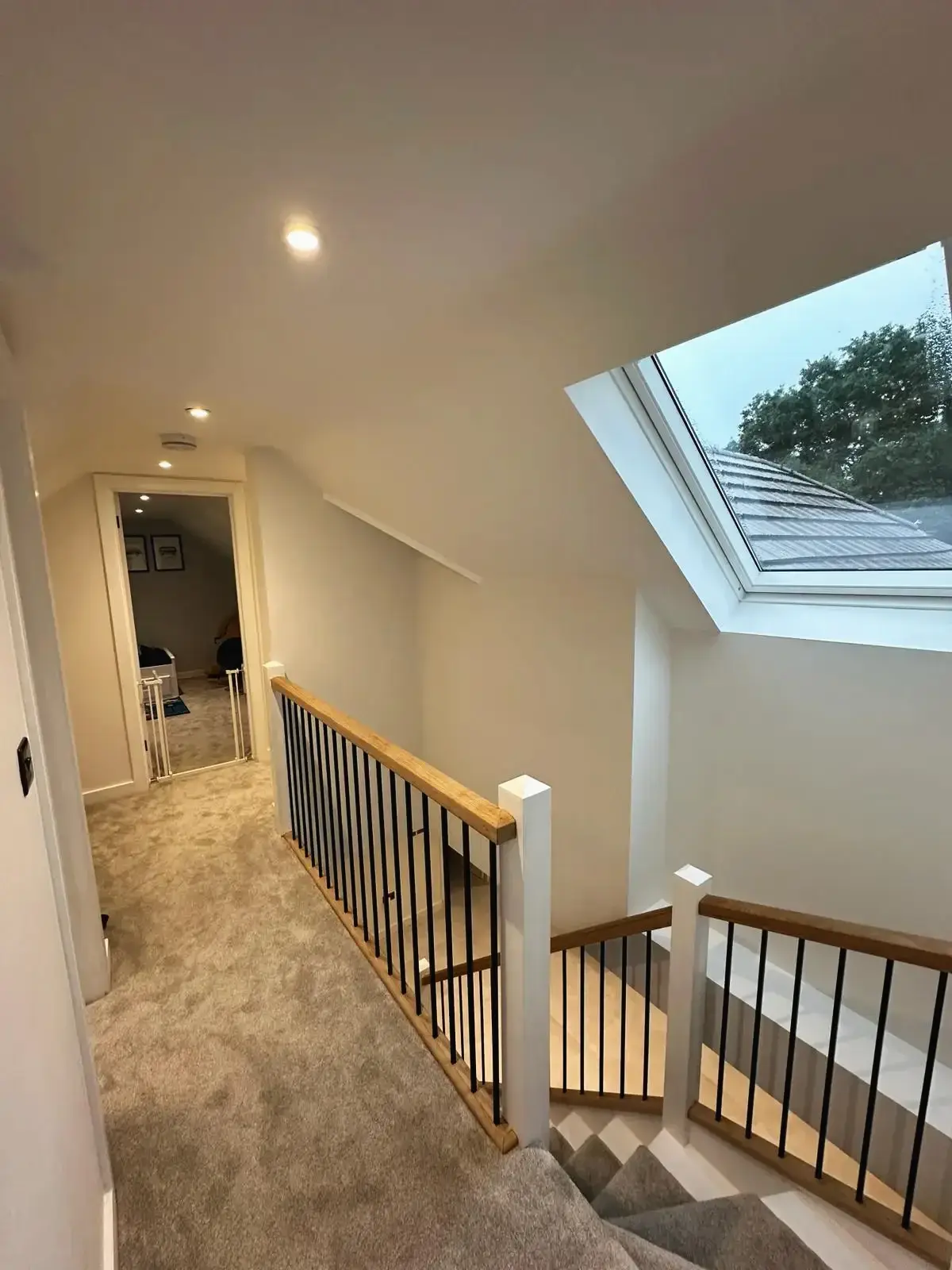
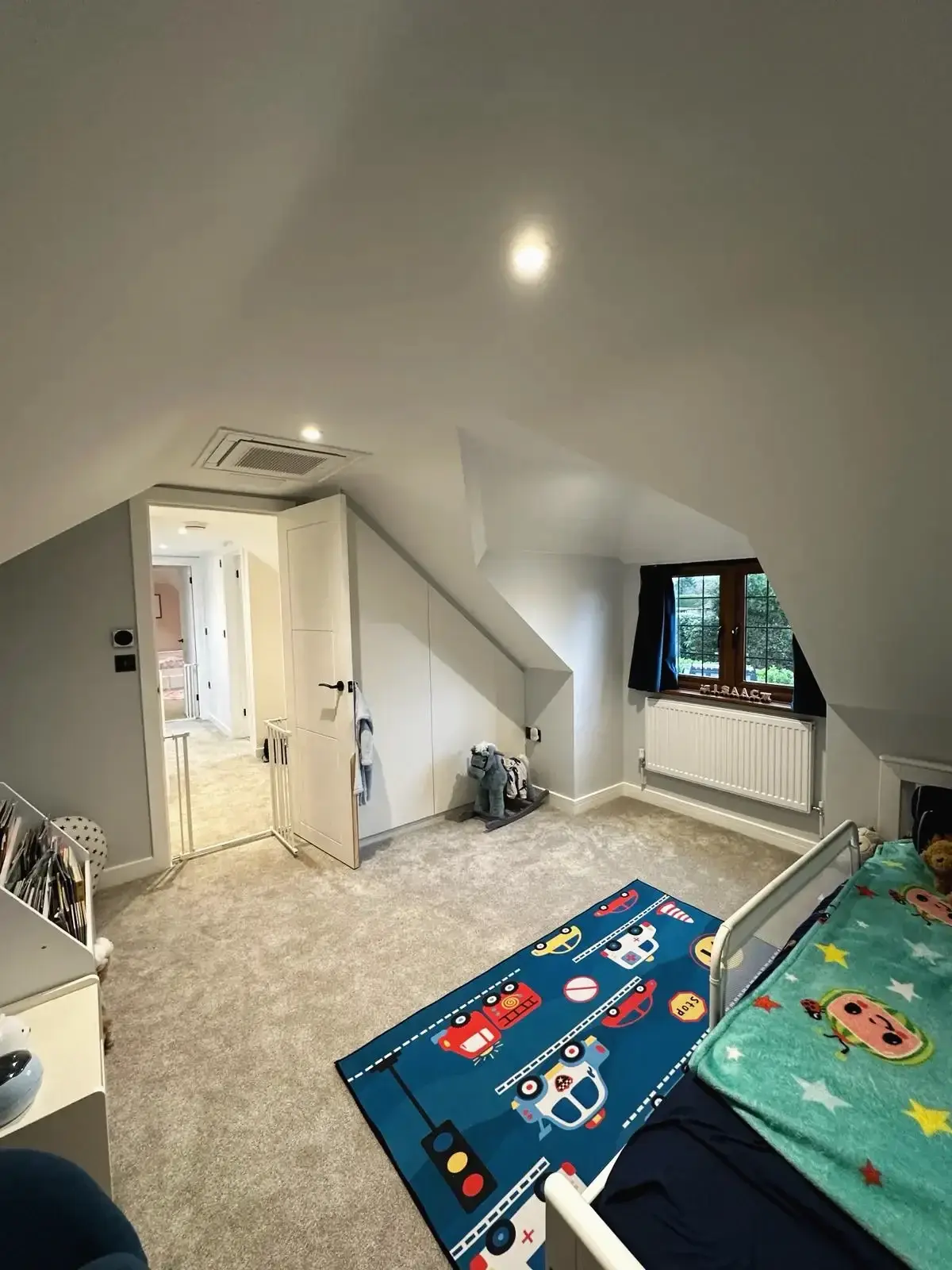
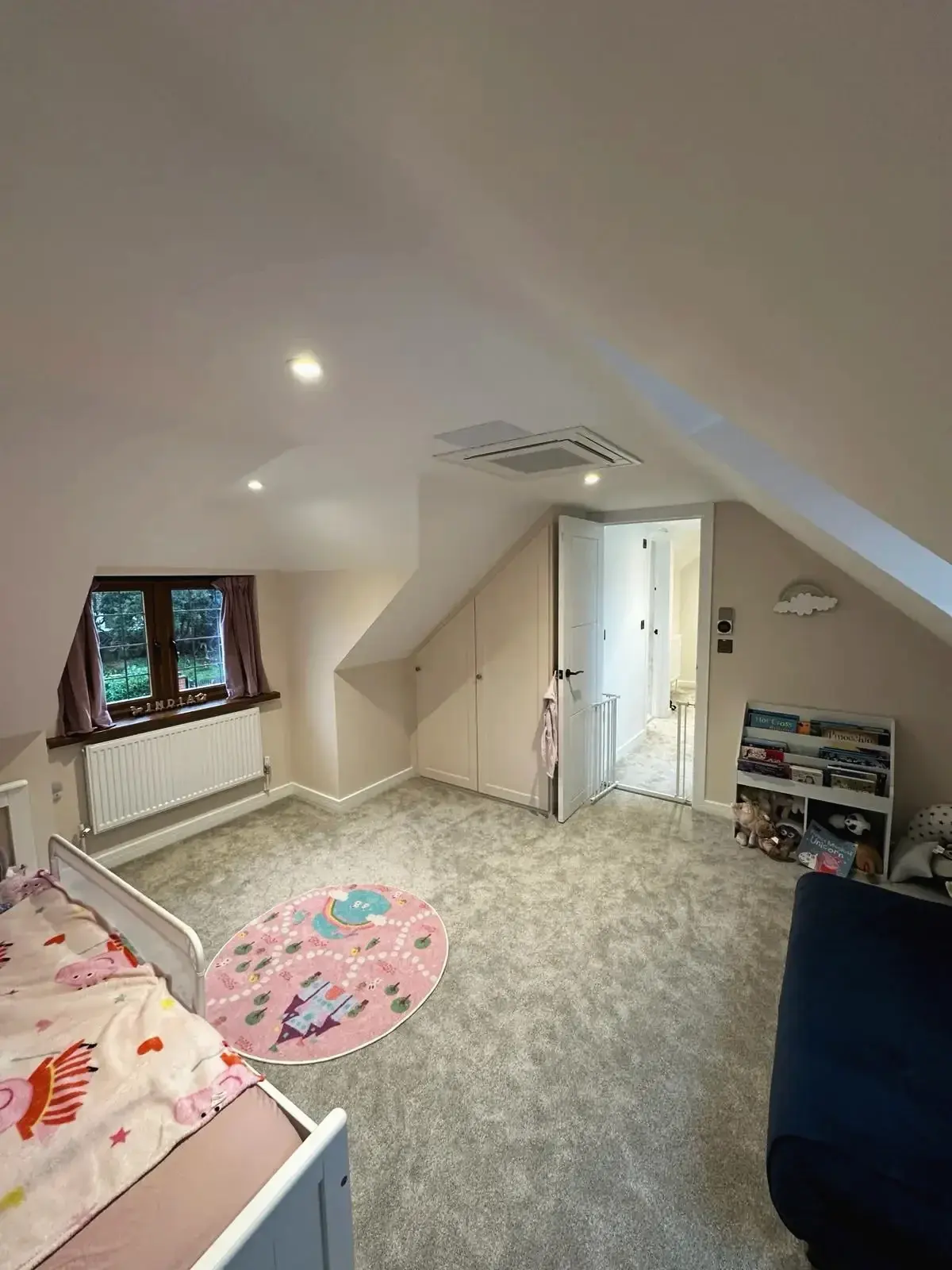
A well-designed loft conversion can become a bright, spacious, and highly functional bedroom. With the addition of roof windows or dormers, natural light can be introduced, completely changing the feel of the space. Proper insulation and structural reinforcement ensure that the room is comfortable year-round, while smart layout planning allows for storage and furniture to be integrated seamlessly.
Loft conversions are particularly attractive because they do not usually require expanding the physical footprint of the property. This means homeowners can gain an additional bedroom without sacrificing garden space or altering the external layout of their home.
In many cases, loft conversions also fall under permitted development rights, meaning planning permission may not always be required, although building regulations will still apply.
Garage Conversions and Their Practical Benefits
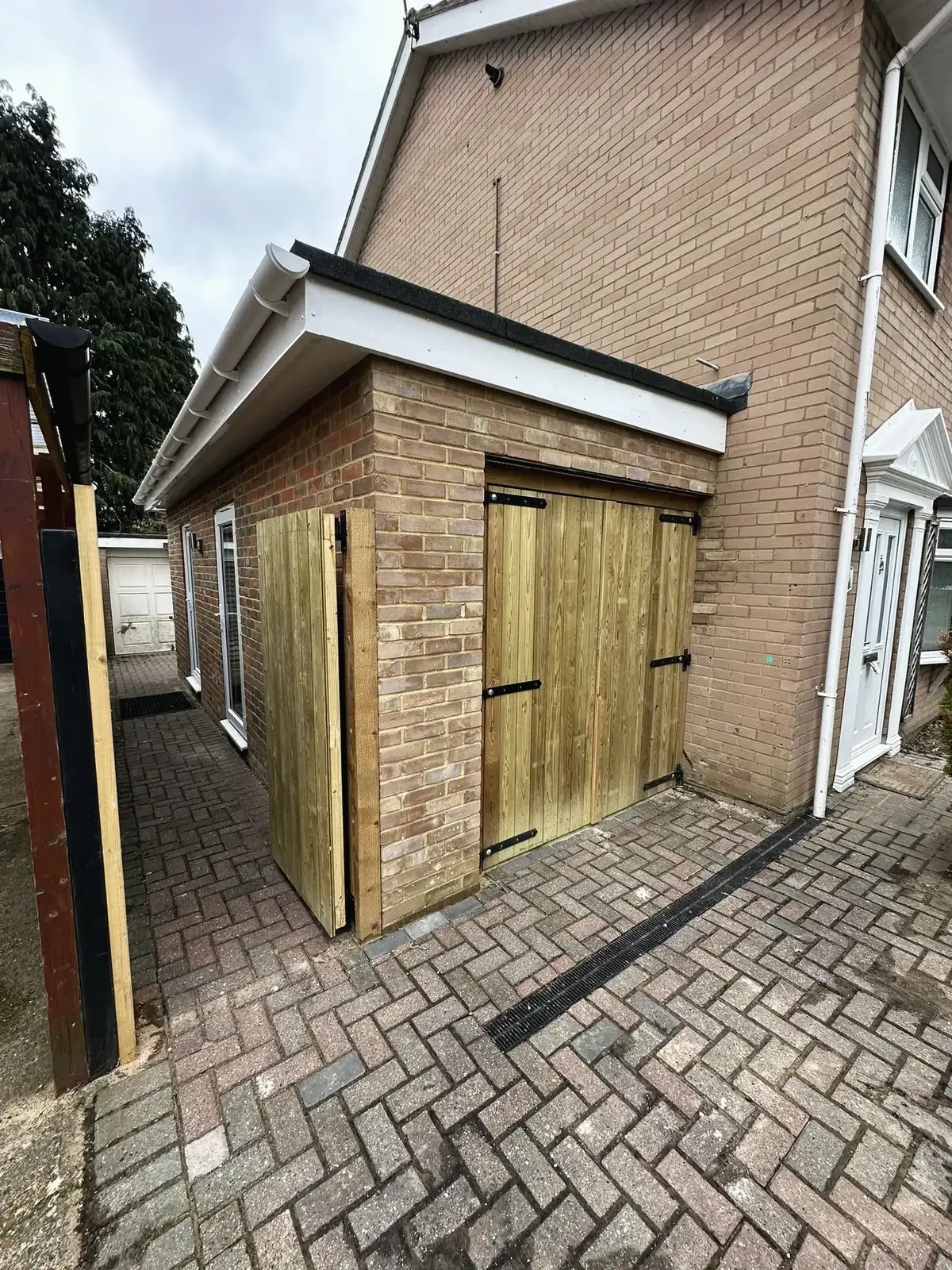
Another highly effective way to add extra bedrooms is through garage conversion. Many homes have garages that are either partially used or completely unused. In modern living, where parking needs may have changed or additional storage is available elsewhere, garages often become underutilised spaces.
Converting a garage into a bedroom can be a relatively quick and efficient process, especially when the structure is already sound. The existing walls, roof, and foundation provide a strong base, meaning the focus can shift toward insulation, interior design, and compliance with building standards.
Garage conversions are often more cost-effective than extensions because they make use of an existing structure. They are also less disruptive, as much of the construction work is contained within the original footprint of the garage.
The key to a successful garage conversion lies in ensuring the space feels like a natural part of the home rather than a repurposed outbuilding. This involves careful attention to lighting, heating, flooring, and access points.
Home Extensions for Maximum Flexibility
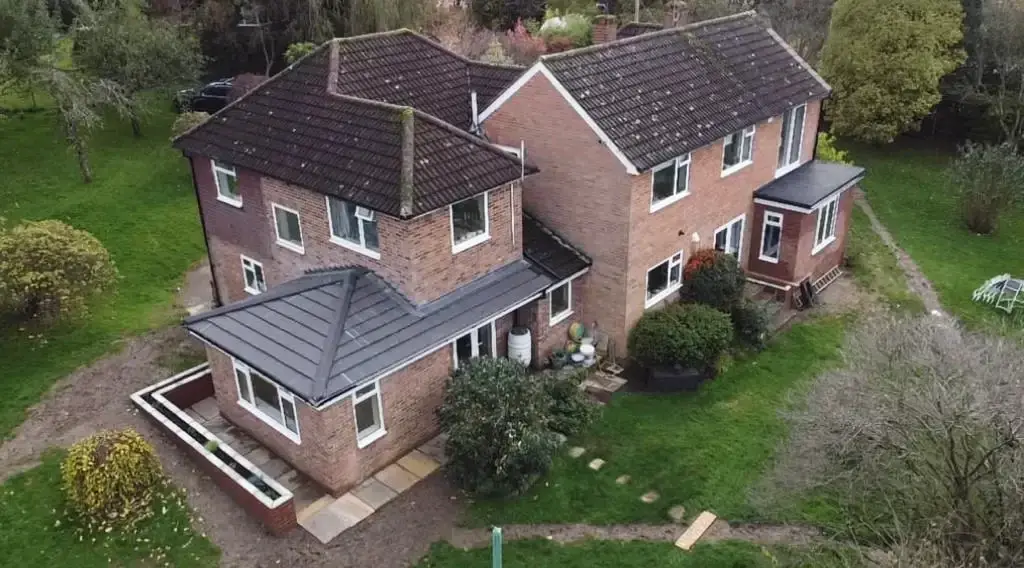
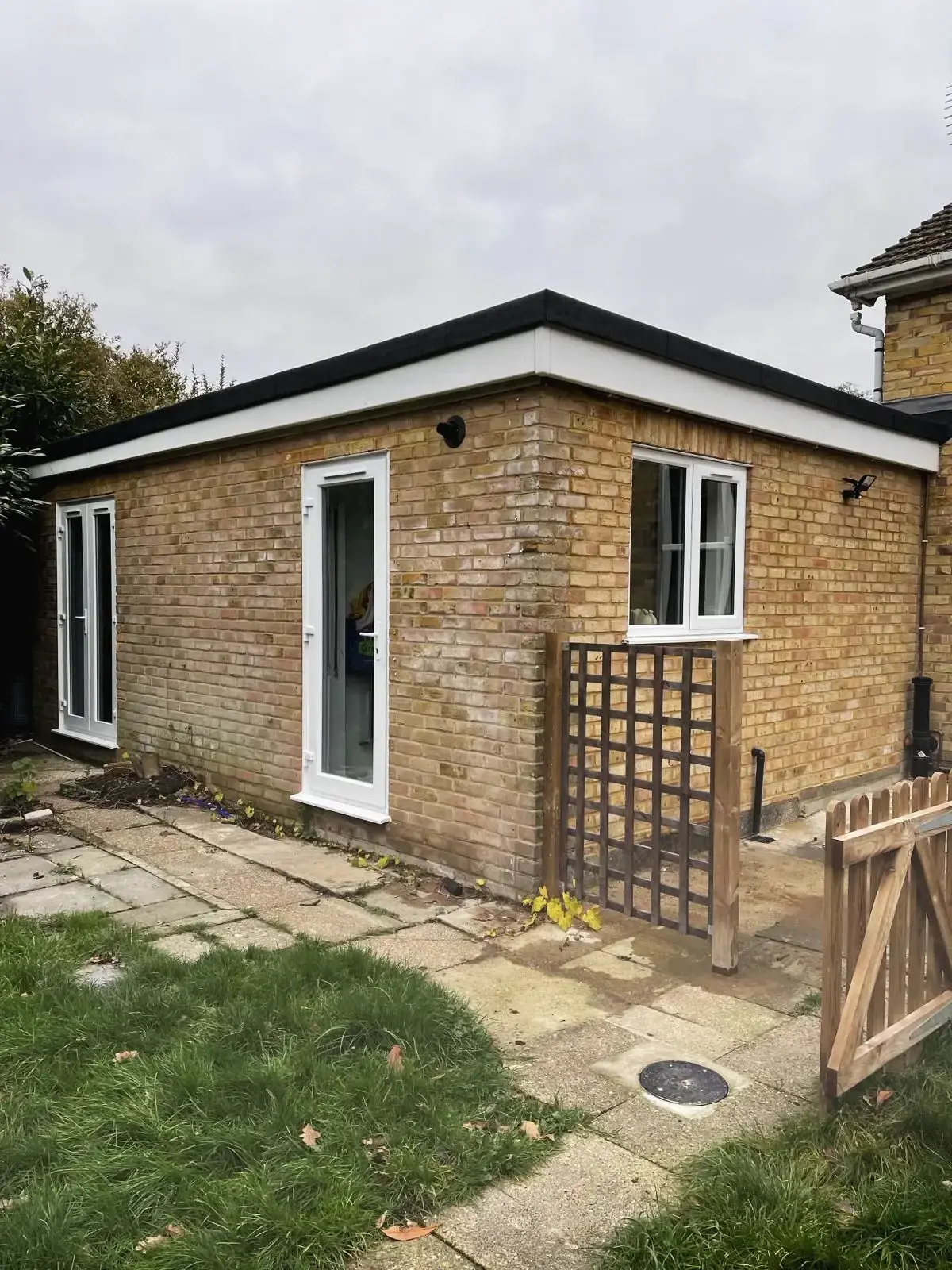
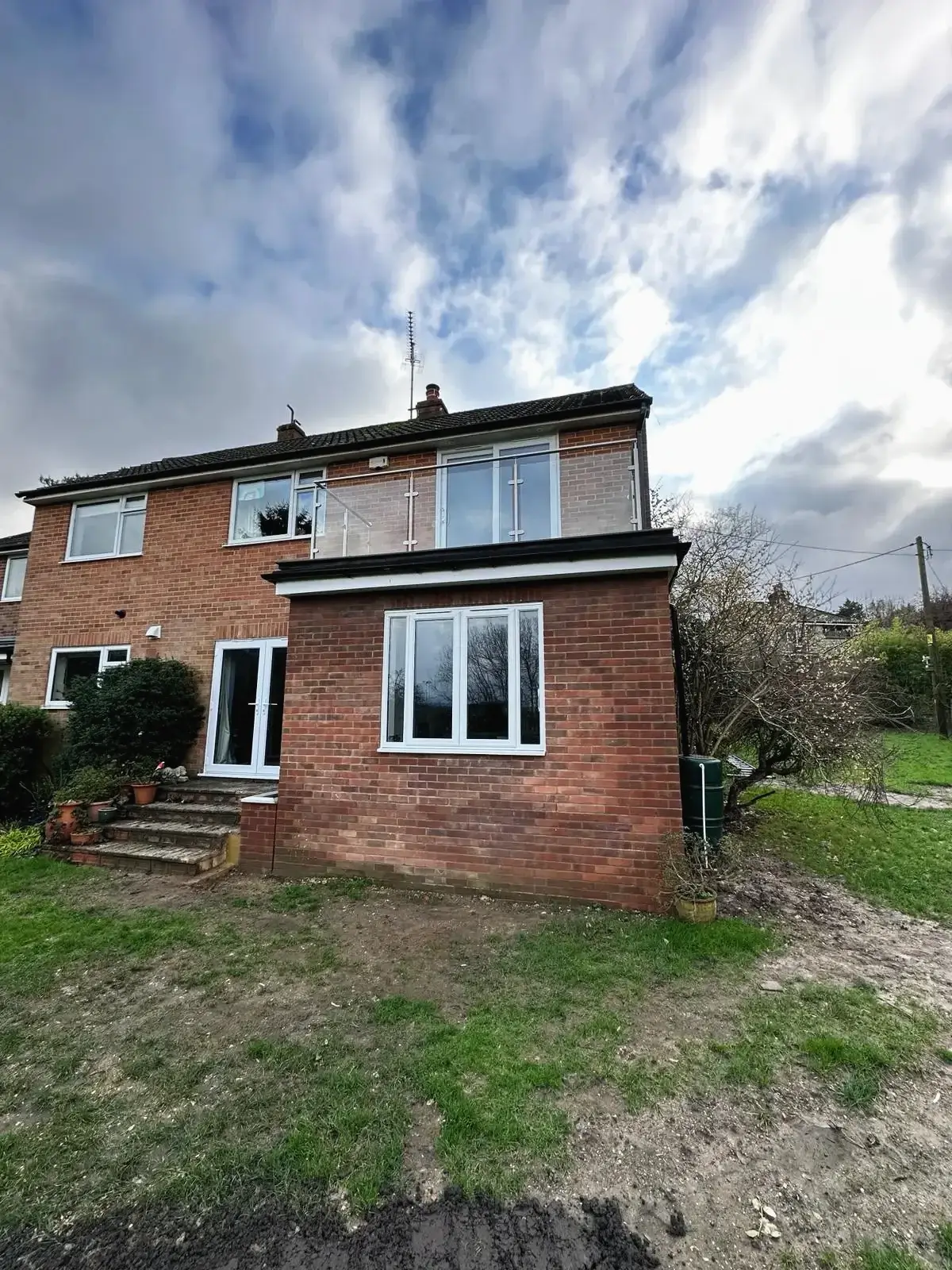
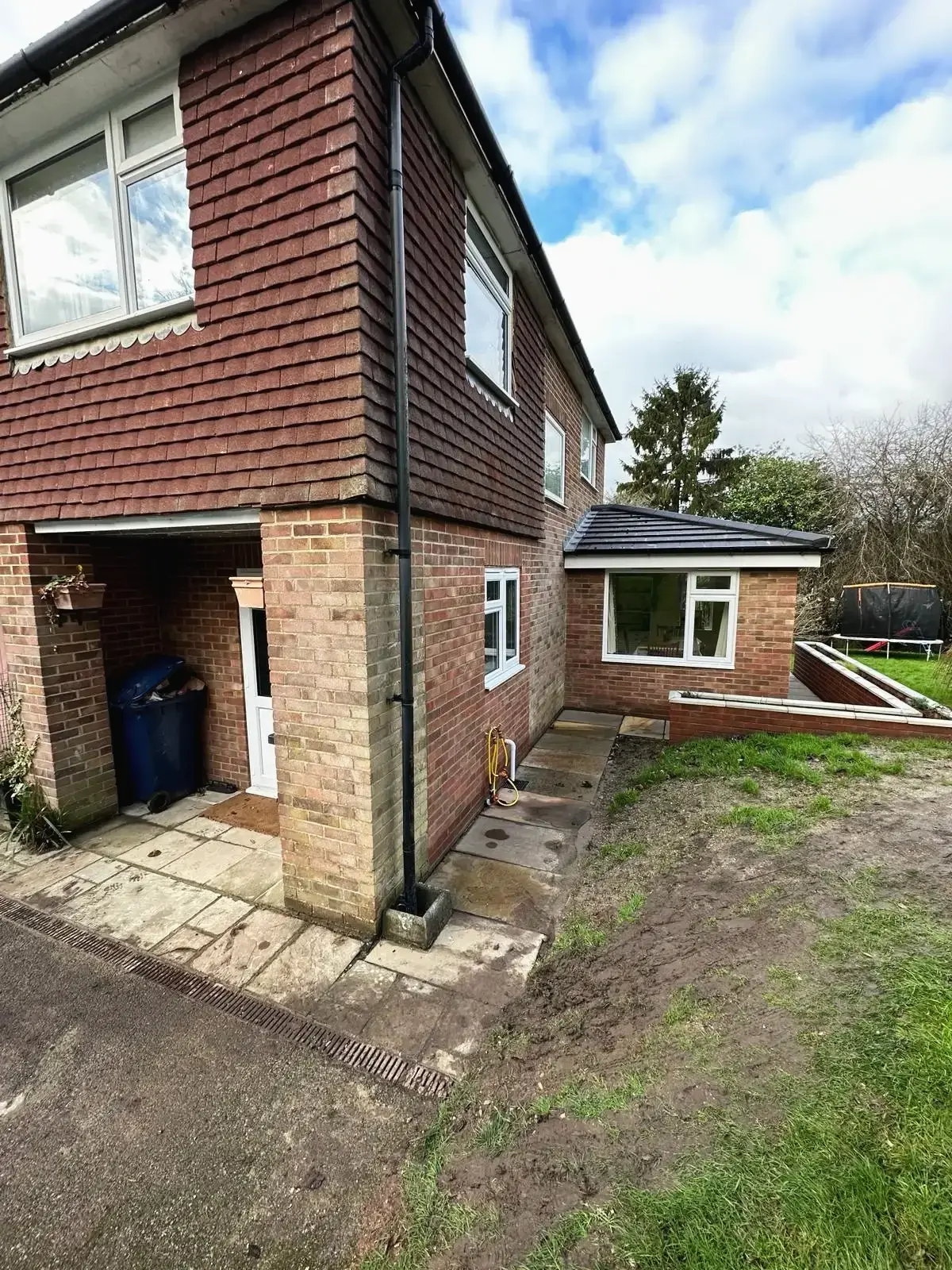
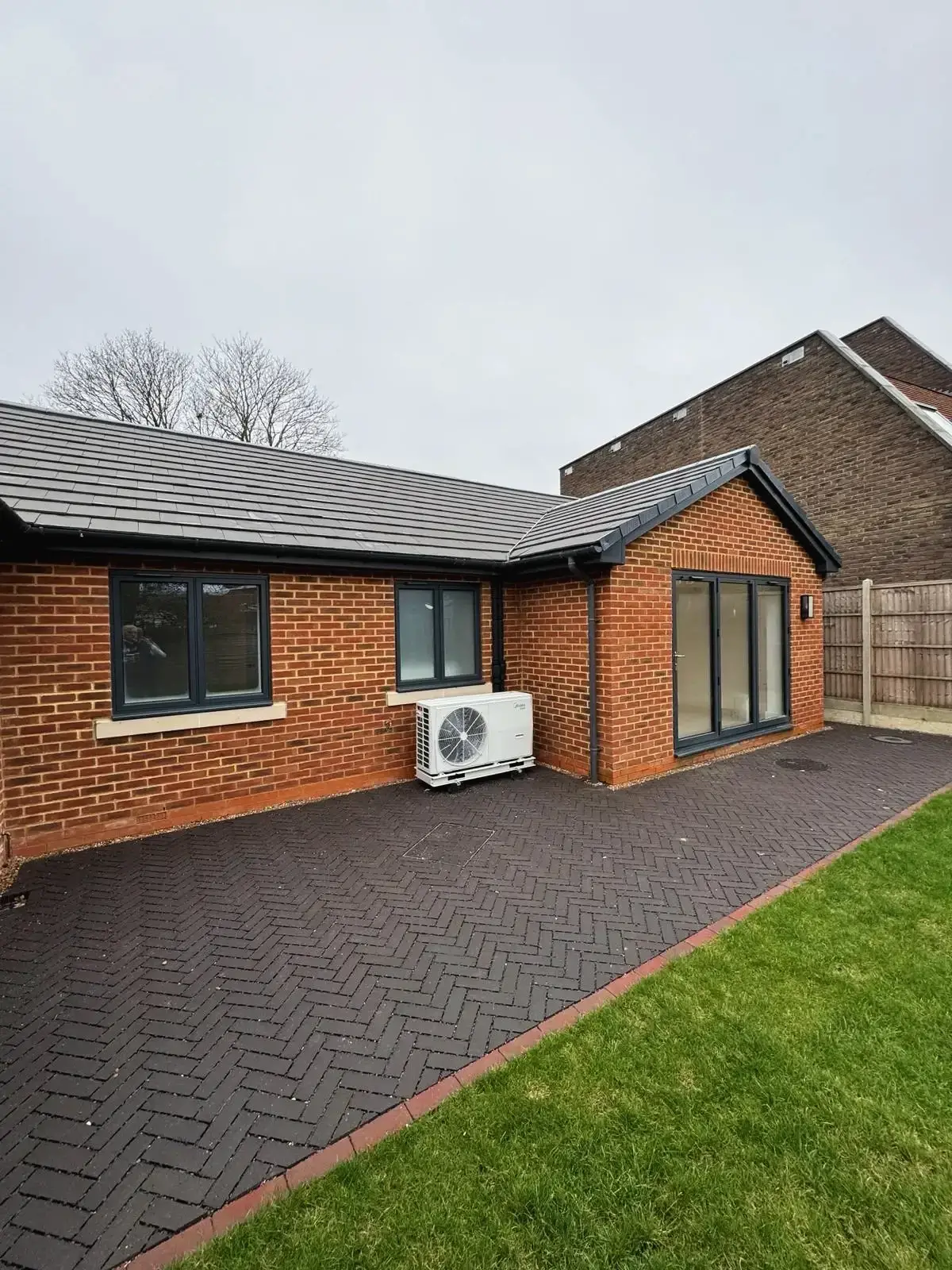
For homeowners who need more space than their existing structure allows, home extensions provide the opportunity to create entirely new bedrooms. Unlike conversions, extensions involve physically expanding the property, usually into garden or side space.
This option offers the highest level of flexibility because the layout, size, and design can be completely customised. It allows homeowners to create large, modern bedrooms with en-suite bathrooms, walk-in wardrobes, or even multi-purpose suites.
While extensions typically require more investment and planning compared to conversions, they also offer some of the greatest long-term value increases. A well-designed extension can completely transform the usability of a home and significantly improve its market appeal.
However, planning permission is more likely to be required for extensions, and careful consideration must be given to how the new structure integrates with the existing property.
Internal Reconfiguration and Space Optimisation
Not all home conversions require major construction work. In some cases, extra bedrooms can be created simply by rethinking how existing space is used.
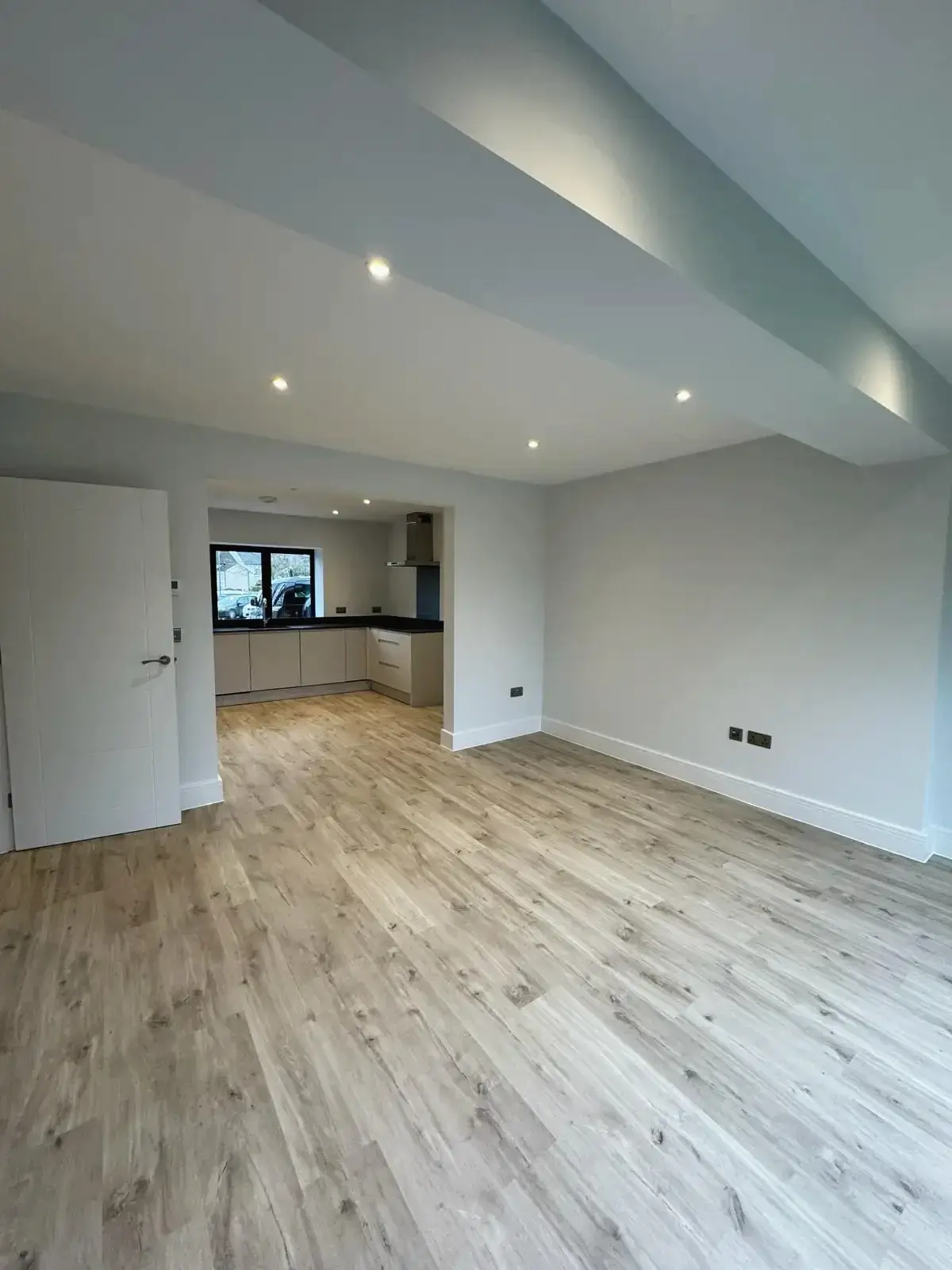
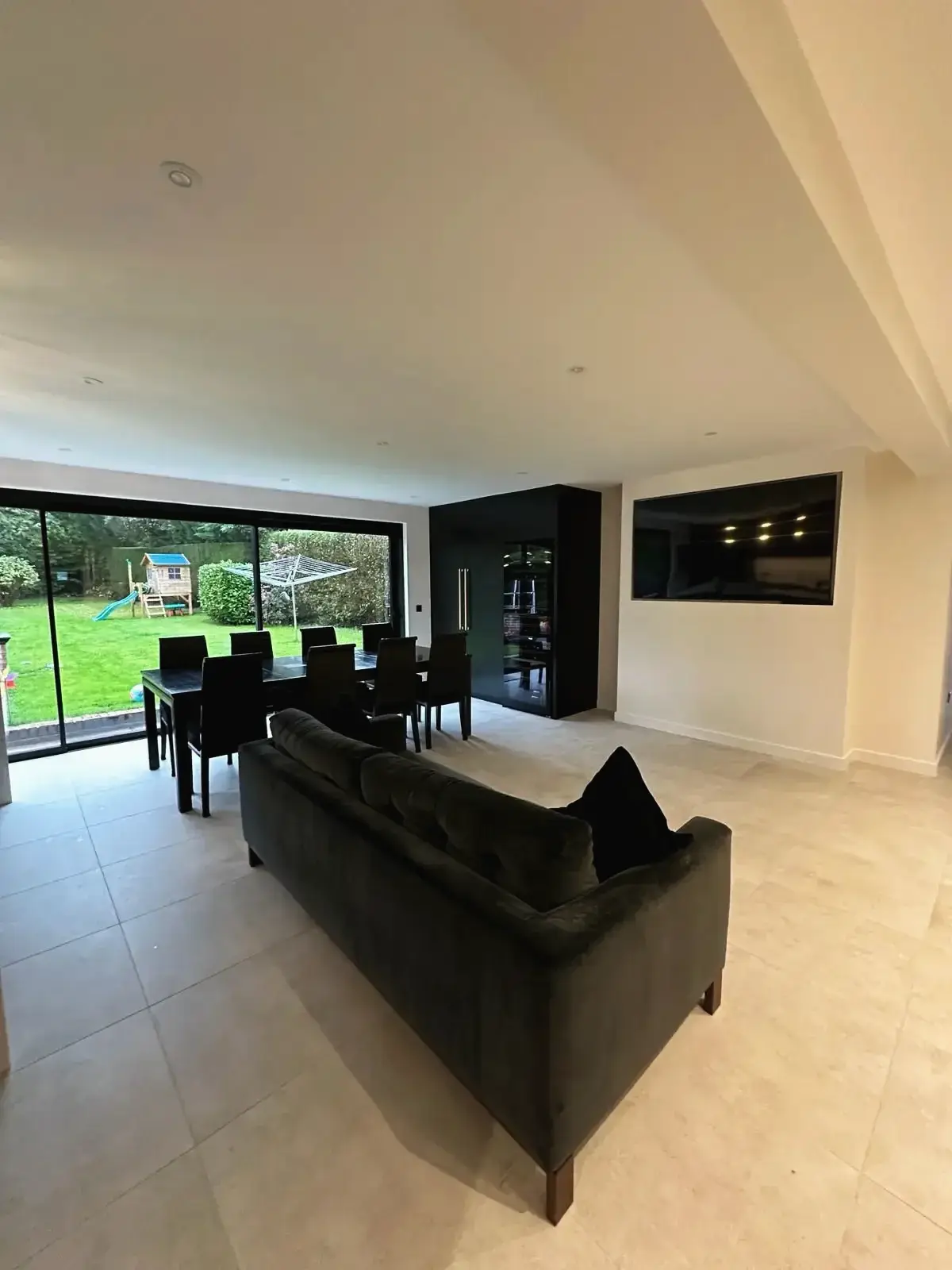
Large bedrooms can sometimes be divided into two smaller rooms, particularly in older properties where room sizes are generous. Dining rooms, studies, or unused reception rooms can also be repurposed into bedrooms when layout changes are carefully planned.
This type of conversion focuses heavily on design efficiency. The challenge is to ensure that both the new and existing spaces remain functional, comfortable, and well-balanced. Structural considerations, such as load-bearing walls and access routes, must always be assessed before any changes are made.
Planning Permission and Building Regulations
Before starting any home conversion project, it is essential to understand the legal and regulatory requirements involved. Even if planning permission is not required, all construction work must comply with UK building regulations.
These regulations ensure that the structure is safe, properly insulated, adequately ventilated, and accessible. Fire safety is also a key consideration, especially when creating new bedrooms within existing properties.
Depending on the type of conversion, planning permission may or may not be required. Loft conversions often fall under permitted development, while extensions and major structural changes typically require formal approval from the local authority.
Working with experienced builders like Godman Construction helps ensure that all regulations are properly followed from the start, reducing the risk of delays or complications later in the project.
The Importance of Design in Bedroom Conversions
A successful bedroom conversion is not just about creating extra space, it is about creating the right kind of space. Good design plays a crucial role in ensuring the new room feels comfortable, practical, and integrated with the rest of the home.
Natural light is one of the most important factors, especially in loft conversions where roof positioning can limit traditional window placement. Storage is another key consideration, as bedrooms need to remain clutter-free to feel functional and relaxing.
Sound insulation, heating efficiency, and ventilation also play a major role in overall comfort. Without these elements, even a well-built room can feel incomplete or unsuitable for long-term use.
The best conversions combine structural expertise with thoughtful design, ensuring the final result feels like a natural extension of the home rather than an afterthought.
How Extra Bedrooms Increase Property Value
Adding an extra bedroom is widely recognised as one of the most effective ways to increase property value. In many areas of the UK, each additional bedroom can increase a home’s value by a significant percentage, depending on location and property type.
Loft conversions in particular are known for offering some of the highest returns on investment in home improvement. Not only do they add functional space, but they also improve the overall marketability of the property.
However, the real value goes beyond numbers. Homes with more bedrooms attract a wider range of buyers, including families, investors, and first-time buyers looking for long-term flexibility.
Common Mistakes to Avoid in Home Conversion Projects
While home conversion can be highly beneficial, there are common mistakes that can reduce its effectiveness. One of the most frequent issues is poor planning, particularly when it comes to layout and structural requirements.
Another common problem is underestimating the importance of building regulations, which can lead to costly adjustments later in the project. Some homeowners also focus too heavily on cost rather than quality, which can impact both durability and long-term value.
Choosing the right construction partner is one of the most important decisions in any conversion project, as experience and expertise directly influence the final outcome.
Why Choose Godman Construction
At Godman Construction, we understand that every home is different, and every client has unique needs. Our approach to home conversion is built on careful planning, high-quality workmanship, and clear communication throughout every stage of the project.
We focus not just on building extra bedrooms, but on creating spaces that improve how people live in their homes every day. From initial consultation through to project completion, our goal is to deliver results that are practical, long-lasting, and visually appealing.
Adding extra bedrooms through smart home conversion is one of the most effective ways to improve both your home and your quality of life. Whether through loft conversion, garage transformation, internal reconfiguration, or full extensions, the potential within existing properties is often far greater than homeowners realise.
With the right planning, design, and construction expertise, unused space can be transformed into valuable, functional bedrooms that enhance comfort, increase property value, and support long-term living needs.